Safety
Welding Safety Gear Checklist for Kenyan Workshops
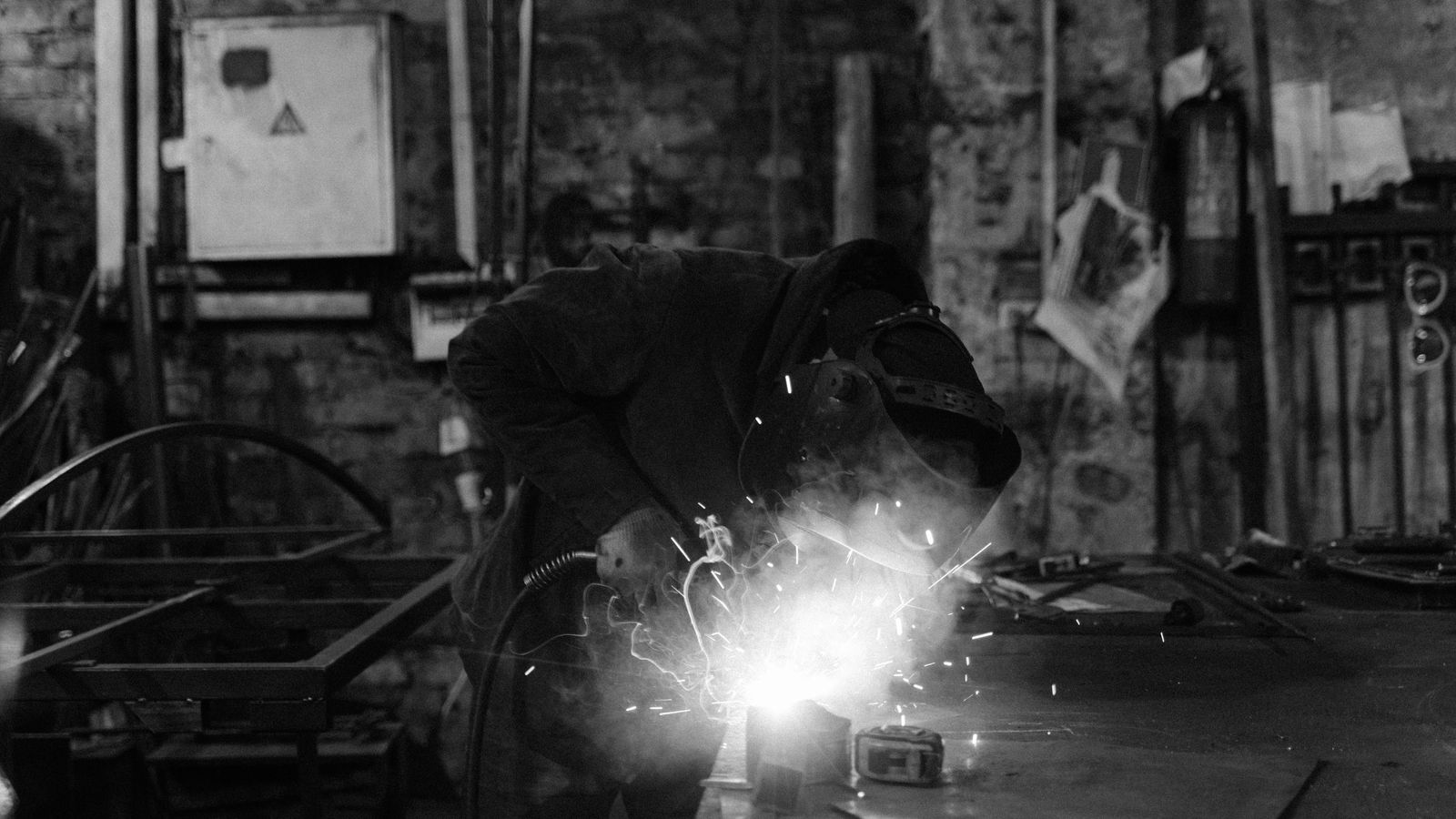
Welding safety gear is a set of items that each stop one specific injury: the arc burning your eyes, sparks setting your clothes alight, fume reaching your lungs, and current finding a path through a damp hand. This checklist is for Kenyan workshops running stick or MIG welders on a 240V supply. It covers what to wear, what to check on the machine, and what to do after the last weld.
In this guide
- Start With the Hazards, Then Pick the Welding Safety Gear
- Arc Eye and What UV Does to Unprotected Eyes and Skin
- Welding Mask UV Protection, Filter Shade and Auto Darkening
- Welding Gloves, Clothing and Boots
- Welding Fumes and Ventilation
- Cables, Earth Clamp and the 240V Supply
- Fire Watch and the End of Job Check
Start With the Hazards, Then Pick the Welding Safety Gear
A welding arc is not just bright. It gives off ultraviolet and infrared radiation, throws molten metal several metres, leaves steel far hotter than it looks, releases fume from the electrode and any coating on the metal, and carries current at a voltage that is dangerous when you are wet.
Each item of gear answers one of those, which is why a helmet on its own is not a safe kit. Run through this list before the first arc. It takes under two minutes.
- Welding helmet with an intact filter and a clean cover lens
- Leather welding gloves with long cuffs, dry
- Cotton, leather or flame resistant clothing, sleeves down
- Closed leather boots with trousers worn over them
- Screens or a shielded bay if anyone else is nearby
- Ventilation or extraction at the arc
- Extinguisher or water on hand, and a fire watch afterwards
Arc Eye and What UV Does to Unprotected Eyes and Skin
Arc eye, properly photokeratitis, is sunburn of the surface of the eye. Ultraviolet from the arc damages the cornea but you feel nothing at the time. Three to twelve hours later the eyes feel full of sand, water heavily and cannot bear light. Most cases settle in a day or two with rest in a darkened room, but repeated exposure causes lasting damage, including cataracts.
Skin burns the same way, and bare forearms and necks redden within minutes of arc time, with a real skin cancer risk over a working life. You also do not have to look at the arc to be hurt, because ultraviolet reflects off pale walls, iron sheets and bright steel. Put screens round the bay and give anyone assisting their own eye protection.
Welding Mask UV Protection, Filter Shade and Auto Darkening
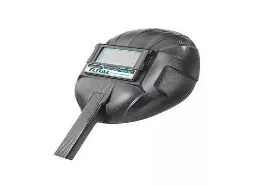
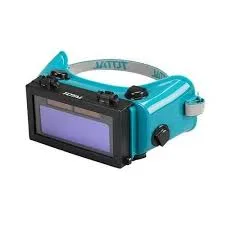
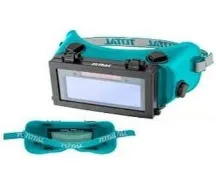
A welding mask protects you from three things at once: ultraviolet and infrared radiation, the raw brightness of the arc, and spatter flying at your face. A proper welding filter blocks ultraviolet and infrared however dark it looks, because that comes from coatings in the filter rather than the tint. Sunglasses, gas cutting goggles and smoked glass do none of this.
The shade number controls visible light and should suit the process and the current, going darker as amperage rises. Too dark and you cannot see the pool, so you start lifting the helmet; too light and the arc leaves spots in your vision. Ask ToolHub Kenya on WhatsApp which filter suits your machine.
An auto darkening filter sits light for positioning, then switches when its sensors see the arc, and good ones are tested to switch in a small fraction of a millisecond, faster than the eye registers. The ultraviolet blocking stays in place even in the light state, so a failed shutter leaves you exposed to glare rather than radiation. Either way, a helmet that will not darken comes out of use.
- Use a proper welding filter, never sunglasses or smoked glass
- Match the shade to the process and current you are running
- Change the clear cover lens once spatter blurs your view
- Test the auto darkening switch each shift and keep sensors clean
- Switch grind mode back off before welding
- Retire any helmet that is cracked, leaks light or has flashed you
Welding Gloves, Clothing and Boots
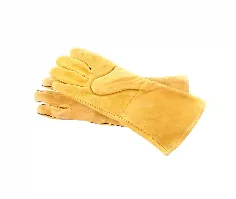
Welding gloves should be leather with long cuffs covering the wrist and forearm, because that is where spatter lands when you weld overhead. Keep them dry, since damp leather conducts and turns an electrode change into a shock. Replace gloves that are split or burnt through, and use pliers for hot metal.
Clothing is where workshops most often get it wrong. Cotton overalls, leather aprons and flame resistant fabric are correct. Nylon and polyester are not, because they melt rather than burn and stick to skin, making the burn far worse. Avoid turned-up cuffs and open pockets that catch sparks, and wear closed leather boots with trousers over them.
Welding Fumes and Ventilation
Welding fume is a cloud of very fine metal particles that reach deep into the lungs, and it is classed internationally as causing cancer in humans. Mild steel fume also contains manganese, which affects the nervous system over long exposure. None of it shows up on the day, which is why welders who spend years in a closed room are the ones who suffer.
Galvanised steel needs a plain warning. The zinc coating burns off as zinc oxide fume, and breathing it brings on metal fume fever hours later, with shivering, fever, aching and a metallic taste. Grind the coating back from the joint where you can, and never weld galvanised metal without real ventilation. Cadmium plating and stainless are worse again, and never weld near degreasing solvent, because the arc can turn its vapour into a highly toxic gas.
Ventilation means getting fume out of your breathing zone, not stirring it round the room. Extraction at the arc is best; otherwise weld outdoors or in a real cross draught with your head out of the plume. Never weld inside a tank or pit without forced ventilation and someone outside, because shielding gas displaces oxygen.
- Remove paint, grease, galvanising and plating from the joint first
- Extract at the arc, or weld outdoors in a real cross draught
- Keep your head out of the plume
- Never weld galvanised, plated or stainless metal in a closed room
- Keep solvents and degreasers away from the welding area
- No confined space work without forced ventilation and a person outside
Cables, Earth Clamp and the 240V Supply
Before switching on, check the leads for cracked or taped insulation, exposed copper, loose connections at the machine and a cracked electrode holder. Damaged leads are the commonest electrical fault in small workshops and are worth replacing rather than patching. The work return clamp must bite onto clean bare metal near the weld, never a rusty bench leg, a chain or scaffolding.
A stick welder puts an open circuit voltage on the electrode whenever it is switched on. That is survivable on dry skin but dangerous when you are sweating, standing in water or leaning on damp steel, so keep yourself, your gloves and your footing dry and do not weld in the rain. Plug into a correctly rated socket protected by a working RCD, installed by a qualified electrician.
Fire Watch and the End of Job Check
Spatter and slag stay hot far longer than people expect. They roll under benches, drop through floor gaps and lodge in sawdust, packaging and dry grass. Clear flammable material about ten metres back, cover what cannot be moved, and keep an extinguisher or water within reach.
When the last arc is struck the job is not finished. Smouldering material can take a long time to catch, so keep a fire watch for at least half an hour, checking above, below and behind the work. Never weld or cut on a drum, tank or pipe that has held fuel, oil, paint or an unknown chemical, because residue and vapour inside can explode with enough force to kill.
- Clear or cover flammable material about ten metres out
- Keep an extinguisher, water or sand within reach
- Fire watch for 30 to 60 minutes after the last weld
- Check above, below and behind the work area
- Never weld on drums or tanks that have held fuel or chemicals
- Mark or isolate hot metal before leaving
Tools mentioned in this guide
Prices change with stock and supplier costs, so we quote on WhatsApp. Send us the tool and your town for today's price and availability.
Frequently asked questions
What does a welding mask protect you from?
From ultraviolet and infrared radiation off the arc, which burns eyes and skin; from the visible glare that causes flash; and from spatter and hot particles thrown at your face. It does not protect your lungs, so you still need ventilation for the fume.
Is a welding mask with auto darkening safe to use?
Yes, when it is working. Good auto darkening filters switch in a small fraction of a millisecond, faster than your eye registers, and they remove the nodding habit that causes most flash exposure. Test the switching each shift and retire any helmet that fails.
Does a welding mask give UV protection when the lens is still light?
In a proper auto darkening filter, yes. The ultraviolet and infrared blocking is built into the lens coatings and works in both states. The dark state adds protection from glare, and glare alone can still hurt, so never keep using a helmet whose shutter has failed.
What welding gloves should I use?
Leather gloves with long cuffs covering the wrist and forearm, kept dry, because damp leather conducts and can give you a shock during an electrode change. Replace them once split or burnt through, and use pliers for hot metal.
How do I treat arc eye?
Arc eye is sunburn of the cornea and appears three to twelve hours after exposure, with gritty pain, watering and sensitivity to light. Rest the eyes in a darkened room, do not rub them, and see a clinician about the pain. Repeated exposure causes lasting damage.
How much ventilation do I need for welding fumes?
Enough to pull fume out of your breathing zone, not just move it around. Extraction at the arc is best; otherwise weld outdoors or in a real cross draught with your head out of the plume. Galvanised and stainless metal need serious ventilation.