Safety
Angle Grinder Safety Rules for Kenyan Workshops
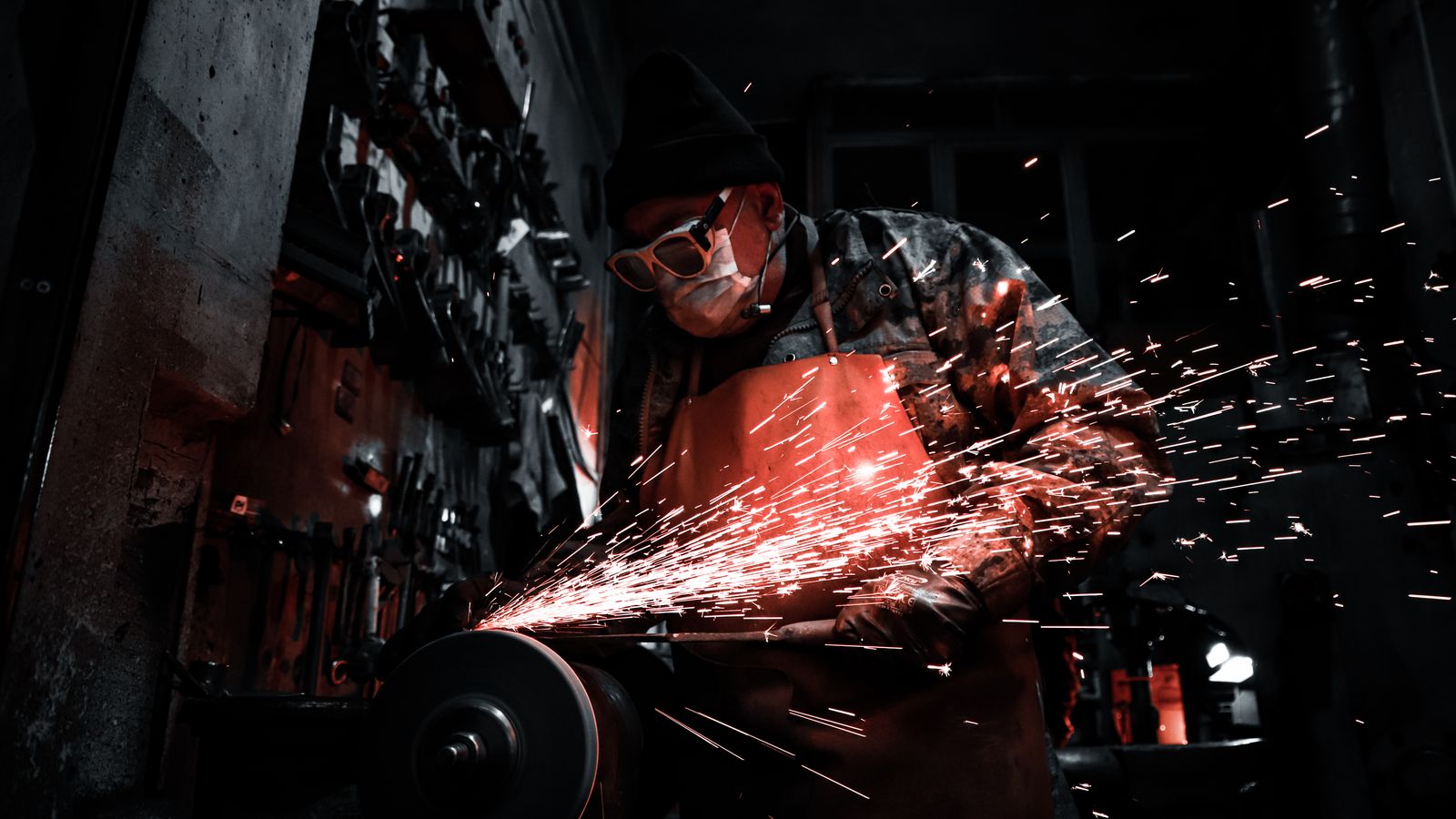
Angle grinder safety is not about being careful in a vague way. It is a short list of things that must be right before the disc starts turning: the correct disc, the guard in place, the work held down, and proper protection on your eyes, ears and hands. This guide sets out the rules Kenyan workshops should follow every day, and explains why each one matters.
In this guide
- Why Angle Grinder Safety Starts Before You Switch On
- Match the Disc to the Machine: Diameter, Bore and Maximum RPM
- The Angle Grinder Guard Is Not Optional
- What Angle Grinder Kickback Actually Does
- How to Change a Grinder Disc Safely
- Technique: Full Speed, the Right Part of the Disc, Work Held Down
- Sparks, Dust and the PPE Every Fundi Needs
Why Angle Grinder Safety Starts Before You Switch On
An angle grinder holds a lot of energy in a small disc. At the speeds these machines run, the rim travels at roughly 70 to 80 metres a second, so anything that leaves the disc arrives before you can react.
Injuries repeat the same few causes: the wrong disc, a guard taken off to make a job easier, work that was not held down, and kickback nobody was braced for. All of them are settled before the trigger is pulled. The disc also keeps spinning for several seconds after you release the switch, so never set the tool down until it stops.
Match the Disc to the Machine: Diameter, Bore and Maximum RPM
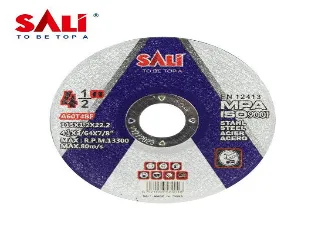
Every bonded disc is printed with its diameter, its bore and its maximum safe operating speed in revolutions per minute, and the grinder gives its no-load speed on the nameplate. The disc figure must be equal to or higher than the machine figure. A disc rated slower than the grinder spins is being driven beyond what it was built to survive, and it can burst in use.
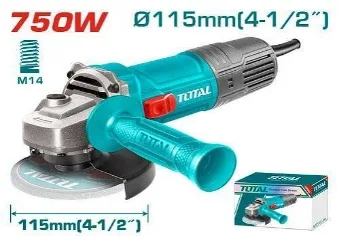
Diameter matters for the same reason. A 115 mm machine turns far faster than a 230 mm one, so a 230 mm disc fitted to a 115 mm grinder runs at close to double its intended speed. That is why you never remove the guard to make a bigger disc fit. The bore, usually 22.23 mm, must seat properly between the matched flanges, with no washers or improvised bushes.
- Disc maximum RPM at or above the grinder no-load speed
- Disc diameter must be the size the machine is rated for, never larger
- The bore must fit the spindle, with both flanges the right way round
- Never remove or move the guard so a bigger disc will fit
- Cutting discs cut and grinding discs grind; do not swap their jobs
The Angle Grinder Guard Is Not Optional
The guard covers about half the disc and does three jobs: it throws the fragments of a burst disc away from your body, it keeps the disc off your hand and leg if the tool twists, and it directs sparks away from your face.
Set it for each cut rather than leaving it where the last person left it, closed side facing you, and check the clamp collar is tight enough that it cannot spin round under load. Replace any guard that is cracked or badly bent, and treat a grinder with no usable guard as out of service.
What Angle Grinder Kickback Actually Does
Kickback is the work throwing the tool. When a cutting disc is pinched in a closing cut, or the edge catches on a corner or an old groove, the disc stops for an instant. The motor keeps driving, so the machine moves instead, flung opposite to the disc rotation at the point where it jammed, and it is over in a fraction of a second.
Most cases come from cutting a bar or pipe supported on one side only, so the weight closes the kerf onto the disc, or from letting the top of the disc bite an edge, which drives the grinder back at the operator. A thin disc often shatters at the same moment, which is why the guard and a face shield matter.
- Support long work on both sides so the cut opens instead of closing
- Always fit the side handle and keep both hands on the machine
- Stand out of the line of the disc, never directly behind it
- Let the disc cut at its own rate; extra pressure causes binding
- Never restart the grinder with the disc still in a cut
How to Change a Grinder Disc Safely
Unplug the machine first. Not the switch, not the trigger lock, the plug out of the socket, or the battery out on a cordless tool. Your fingers are about to be on the spindle lock and the disc, and that is when a knocked switch or power returning after a blackout causes serious injury.
Inspect the new disc in good light for hairline cracks, chips out of the rim, a bent body and damp storage. Bonded discs carry a use-by date because the resin weakens with age, and any disc that has been dropped goes in the bin. Fit it between the matched flanges, tighten with the spanner supplied, then run it at no load for about half a minute pointed away from people.
- Unplug the grinder or remove the battery before touching the spindle
- Check for cracks, chips, warping, damp storage and use-by date
- Discard any disc that has been dropped
- Use the matched flanges and the correct spanner, hand tight
- Run a new disc at no load for 30 seconds, aimed away from people
Technique: Full Speed, the Right Part of the Disc, Work Held Down
Let the grinder reach full speed before the disc touches the work, because contact while the motor is winding up loads the disc unevenly and makes it snatch. Then use the correct part of the disc. A thin cutting disc cuts on its rim only, and sideways load from twisting or dressing an edge with the flat face can shatter it.
A grinding disc is the opposite, worked on its face at a shallow angle of roughly 15 to 30 degrees, never on its edge. Hold the work in a vice, a clamp or a stand rather than your other hand, because when the offcut drops it takes the disc with it. Keep the cable clear of the disc.
Sparks, Dust and the PPE Every Fundi Needs
Sparks from cutting steel are burning metal particles. They travel several metres, bounce off walls and fall through gaps in floors, so move fuel, thinners, paint, gas cylinders, dry grass and plastic sheeting well clear, and walk the area again before locking up.
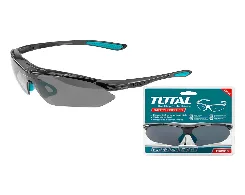
Impact-rated goggles or spectacles stay on throughout, with a face shield over them for cutting, because a fragment of a bursting disc carries far more energy than a spark. Add hearing protection, leather gloves for hot and sharp offcuts, and cotton or flame resistant overalls rather than synthetics, which melt onto skin.
Dust is the hazard people ignore because it does no harm the same day. Cutting concrete, blocks, tile or stone releases very fine silica dust, and breathing it over years causes permanent lung damage that a cloth or thin paper mask will not prevent. Use water with a wet-rated diamond disc, work outdoors or with extraction, and wear a fitted respirator.
- Clear flammable material several metres back before you start
- Goggles or spectacles always, plus a face shield for cutting
- Hearing protection for sustained cutting or grinding
- Leather gloves and cotton or flame resistant clothing, never synthetics
- A fitted dust respirator for concrete, block, tile and stone
Tools mentioned in this guide
Prices change with stock and supplier costs, so we quote on WhatsApp. Send us the tool and your town for today's price and availability.

Frequently asked questions
What causes angle grinder kickback and how do I stop it?
Kickback happens when the disc pinches in a closing cut or catches on an edge. The disc stops, the motor does not, so the machine is thrown opposite to the disc rotation. Support the work so the cut opens, fit the side handle, use both hands and stay out of its line.
Can I use an angle grinder without the guard?
No. The angle grinder guard keeps fragments of a burst disc away from your body, stops the disc reaching your hand if the tool twists, and directs sparks downwards. Never remove it to fit a larger disc, and treat a grinder with no usable guard as out of service.
How do I check cutting disc RPM safety before fitting a disc?
Read the maximum RPM on the disc label and compare it with the no-load speed on the grinder nameplate. The disc figure must be equal to or higher than the machine figure. If it is lower, or the label is unreadable, do not fit that disc.
What angle grinder PPE do I need for daily workshop use?
Impact-rated goggles or spectacles worn throughout, a face shield over them while cutting, hearing protection, leather gloves, and cotton or flame resistant overalls instead of synthetics. Add a fitted dust respirator when you cut concrete, blocks, tile or stone, because silica dust causes lasting lung damage.
How do I change a grinder disc safely?
Unplug the machine or remove the battery first. Inspect the new disc for cracks, chips, warping and its use-by date, and bin any that has been dropped. Seat it between the matched flanges, tighten with the spanner supplied, then run it at no load for about 30 seconds.