Farm & Garden
Solar Water Pumps in Kenya: What to Check Before Buying
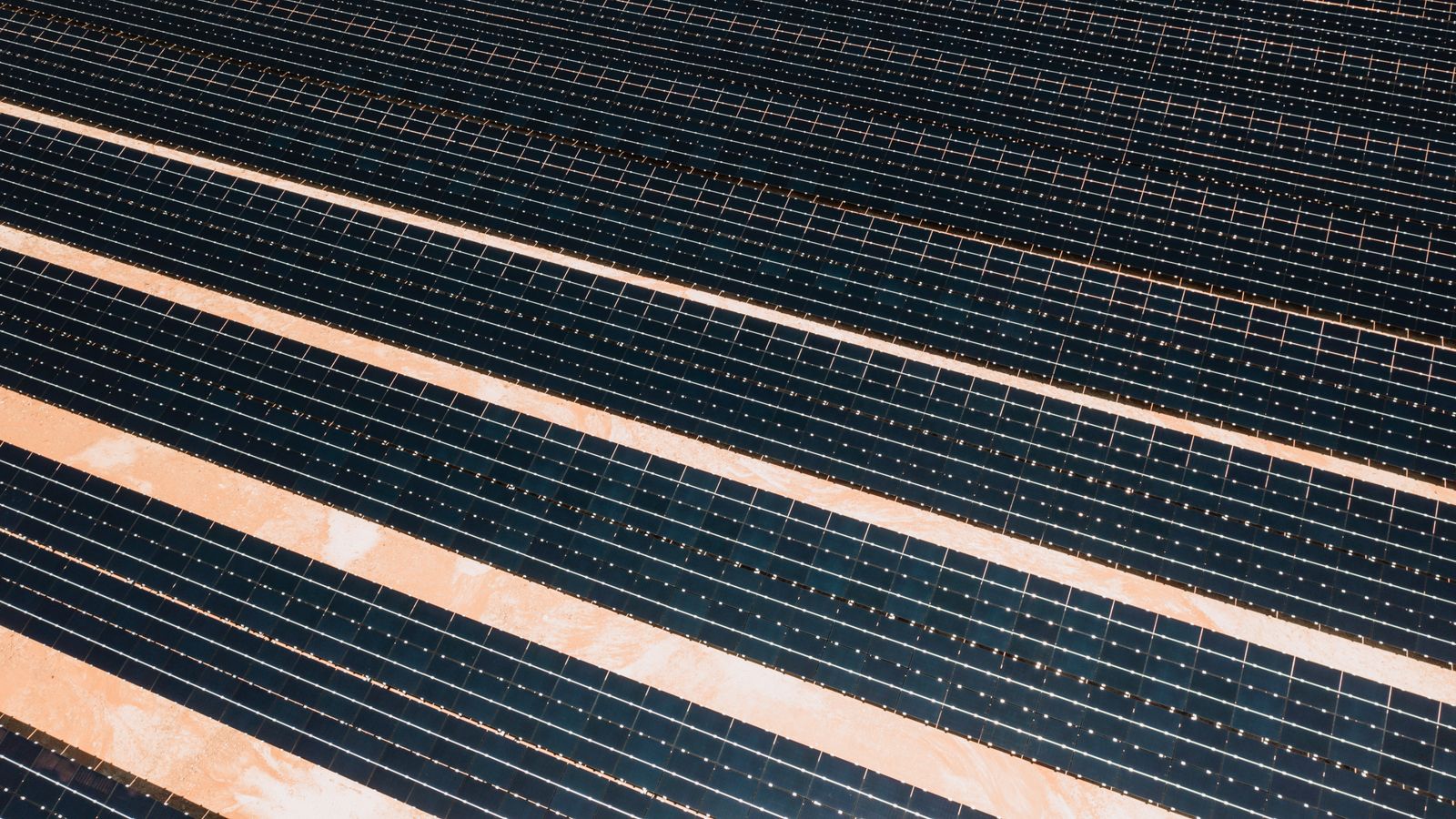
A solar water pump in Kenya can fill a tank every day with no power bill and no fuel run, but only when the panels, the controller, the pump and the water source are matched to each other. Get one wrong and you have a pump that dribbles at midday and stops by three. This guide covers panel sizing, head and flow, dry run protection and the faults that catch people out.
In this guide
What a Solar Pumping Setup Actually Contains
Four parts do the work: a panel array on a frame, a controller, the pump, and the pipe run into a tank. There are usually no batteries, because the tank is the battery. You pump while the sun is up and draw water down by gravity at any hour, which removes the shortest lived part of an off grid system.
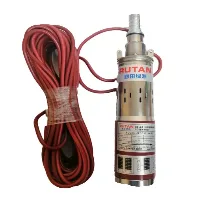
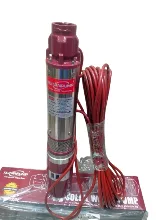
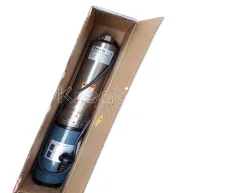
The pump is either a direct current unit fed from the array through its controller, or a mains pump run through an inverter drive. Surface units such as the Solar Pump Rutan 250 Watts and the Solar Pump Rutan 450W stand beside a tank, river or shallow well. A submersible solar water pump like the Cevada Submersible Solar Pump is lowered into the water instead.
One number causes most disappointment. The wattage on a pump is what it draws, not what the panels behind it must be rated for. Panels rarely deliver their plate rating in the field, so the array is always the larger figure. Treat the pump rating as a floor, not a panel budget.
- Panel array on a fixed frame, clear of shade
- Controller matched to both array and pump
- Direct current or inverter driven pump
- Storage tank high enough to gravity feed
Borehole, Well or River: Matching Pump to Source
A borehole solar water pump is a submersible, because water in a drilled hole sits far below any suction pipe. Before choosing one, dig out the driller's report. It gives the depth, casing diameter, static and pumping water levels, and the tested yield. That yield is a hard ceiling: draw faster than the hole recovers and you pull the level down to the intake.
A shallow well, river bank, dam or storage tank is different. Water is close enough for a surface pump, though suction lift is limited to roughly 7 metres in practice. Keep the suction pipe short and airtight, with a sound foot valve, or the pump loses its prime and spins without delivering.
Then work out head and flow. Say the pumping level sits 40 metres down and the tank is on a 6 metre stand, giving 46 metres of lift. Add about 10 percent for pipe friction and you need roughly 50 metres of head. If the shamba uses 4,000 litres a day over five useful pumping hours, that is about 800 litres an hour.
Solar Pump Panel Size, Irradiance and the Seasons
Kenya sits on the equator and gets good sun, but not evenly. Most areas average around five to six useful pumping hours a day across the year, with the north and the rift doing better and the wetter highlands worse. Those hours, not the midday peak, are what fill your tank.
Solar pump panel size follows from that. The array should be rated comfortably above the pump, commonly about a third higher, to absorb heat derating, dust, cable loss and weak morning light. Modules commonly run from 300W to 550W each, and how many go in series and how many in parallel is set by the voltage window your controller accepts.
Then allow for the calendar. The long rains from March to May and the short rains from October to December cut output, though tanks are filling anyway. The dry months are when you need the pump most, and July and August often bring overcast spells to the highlands. Size the array for the worst month you expect, not the annual average.
- Use pumping hours for your area, not a national average
- Rate the array above the pump, not equal to it
- Let the controller voltage window set the wiring
- Tilt the panels so rain rinses dust off
- Keep the array clear of tree and roof shade
The DC Solar Pump Controller Is the Brain
A dc solar pump controller does far more than switch the pump on. It tracks the array to pull the most power available at that moment, gives the motor a soft start instead of a hard jolt, and shuts down when voltage climbs or collapses. Most units also carry dry run protection and show a fault code when they stop.
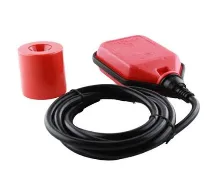
Look for a float switch input as well. Left alone, a solar pump works every sunny hour, overflows a full tank and keeps drawing the borehole down for nothing. A float switch such as the Tronic Float Switch cuts the pump when the tank is full and lets it restart as the level falls, saving both water and the motor.
Store Water, Not Electricity
Because output rises and falls with the sun, judge a solar pump on litres per day at your head, not a peak flow figure quoted at midday. Two pumps with the same headline flow can deliver very different daily totals once cloud, morning light and head are counted.
Size the tank for two or three days of use so a grey week does not leave the homestead dry, and stand it high enough to feed the house or the drip lines by gravity. The pump then only has to keep up with average daily demand rather than match peak demand hour by hour.
Solar Water Pump Not Working: What to Check First
When a solar water pump is not working, the pump itself is usually innocent. Dust on the panels, a branch shading one module from mid morning, a loose connector at the array, or a controller sitting in dry run lockout account for most call outs. Start at the panels and work down the wire.
Measure rather than guess. Check the array voltage at the controller input in full sun, read the fault code the controller shows, and confirm the tank float is not simply holding the pump off. Mains wiring and earthing belong to a qualified electrician, and lifting a submersible out of a borehole to a contractor with the right gear.
- Panels dusty, shaded, or one module dead
- Loose or corroded connectors and terminals
- Controller in dry run lockout
- Tank float switch holding the pump off
- Blocked intake strainer or leaking rising main
- Heavy cloud: the light is too weak
What to Confirm Before You Order
Most poor solar pumping installations were decided in a two line conversation. Gather the details below first and you can be pointed at a pump that suits your hole, your head and your sky. Send them to ToolHub Kenya on WhatsApp, and ask about delivery across Kenya at the same time.
Plan the installation too. Panel frames need anchoring against wind and siting where they will not be shaded as trees grow. Cable runs should be sized for the distance, and a submersible should be lowered and wired by people who do it for a living.
- Water source, plus borehole depth and casing size
- Static level, pumping level and tested yield
- Total head including tank stand and friction
- Litres per day needed in the dry season
- Panel wattage, module count and controller window
- Whether dry run protection and a float switch are included
Tools mentioned in this guide
Prices change with stock and supplier costs, so we quote on WhatsApp. Send us the tool and your town for today's price and availability.
Frequently asked questions
What should I look for in a solar water pump for sale in Kenya?
Start with your head in metres and the litres you need per day, then check the pump suits that at your depth. Confirm the controller has dry run protection and a float switch input, and that the array is rated above the pump, not equal to it.
What solar pump panel size do I need?
Size the array above the pump rating, commonly about a third higher, to cover heat derating, dust, cable loss and weak morning light. How the modules are wired in series and parallel depends on the voltage window the controller accepts, so decide both together.
Can a submersible solar water pump run at night?
Not without batteries. A direct system pumps only while the sun is on the panels, which is why water is stored in a tank rather than in batteries. Size the tank for two or three days so cloudy weather or night use does not leave you short.
My solar water pump is not working. Where do I start?
Check the panels for dust and shade, then the connectors for looseness or corrosion. Read the controller fault code, confirm the tank float is not holding the pump off, and check the intake strainer. Leave mains wiring to an electrician and borehole lifting to a contractor.
Do I need batteries for a borehole solar water pump?
Usually not. Pumping straight into an elevated tank while the sun is up gives stored water you can draw at any hour, and water storage outlasts battery storage. Batteries only make sense where a tank cannot sit high enough or demand must be met after dark.