Farm & Garden
Brush Cutter vs Grass Trimmer: Which One Do You Need?
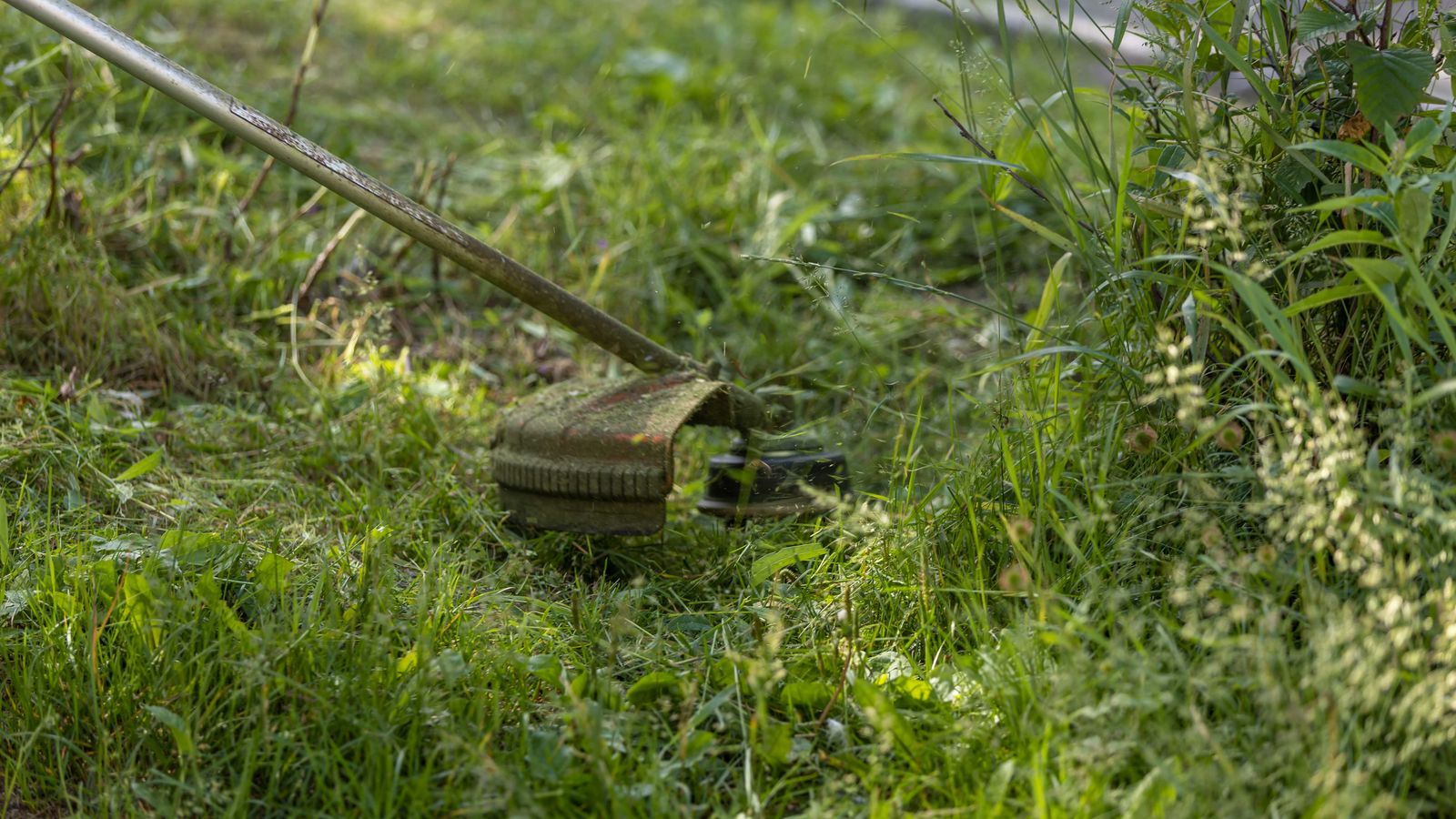
Brush cutter vs grass trimmer is the question almost every Kenyan compound owner and farm worker asks before buying. The two machines look similar on the shelf, yet they are built for different work. This guide explains what each one actually cuts, how nylon line and metal blades behave, what a walking machine is for, the difference between two stroke, four stroke and battery power, and the safety gear you should never skip.
In this guide
- Brush Cutter vs Grass Trimmer: What Really Separates Them
- Nylon Line: Soft Grass, Edges and Awkward Corners
- Metal Blades for Napier, Weeds and Light Bush
- When a Walking Brush Cutter Makes Sense
- Two Stroke, Four Stroke or Battery Power
- Harness, Balance and Handling the Machine
- Safety: Thrown Stones, Eye Protection and Bystanders
- Working With the Kenyan Seasons
Brush Cutter vs Grass Trimmer: What Really Separates Them
The honest difference is not the handle shape or the engine size. It is what you are cutting. A grass trimmer spins nylon line fast enough to slice soft grass, hollow stemmed weeds and edges a mower cannot reach. A brush cutter is heavier, with a stronger shaft and gearbox that can drive a metal blade through napier, shrubs and light bush.
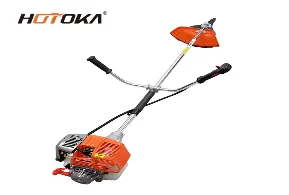
Many machines sold here sit between the two, arriving as a brush cutter that takes either a line head or a blade. Judge by the worst growth your plot produces at the end of the rains, not by how it looks on shopping day. For lawn edges, line is enough. For fallow ground and thorny fence lines, fit a blade to a machine such as the Brush Cutter 4Stroke.
- Soft lawn grass and building edges: nylon line
- Tall weeds, napier and standing stalks: metal blade
- Large open ground: a walking or wheeled machine
Nylon Line: Soft Grass, Edges and Awkward Corners
Nylon line cuts by speed rather than sharpness. At full throttle it whips through soft stems cleanly, and when it strikes something hard it frays instead of gouging. That forgiving behaviour makes it the right head for work around buildings, gate posts, flower beds and water tanks, where a blade would chip plaster or scar a pipe.
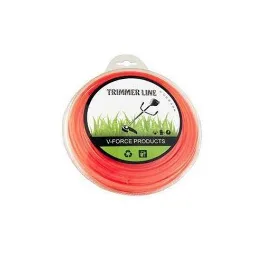
Line thickness matters more than most buyers expect. Thinner line cuts soft grass neatly and asks little of the engine. Thicker line lasts longer in rough weeds but loads the engine harder and will not feed through a head never made for it. Stay within the sizes marked on your head and keep a roll of Trimmer Line in the store.
A bump feed head releases line when you tap it on the ground at full speed, so tap lightly and only when the cut starts trailing. Wind the spool evenly and follow the direction arrow, because crossed turns weld together under heat and jam. Keep spare line out of the sun.
Metal Blades for Napier, Weeds and Light Bush
A brush cutter blade cuts by shearing, so it goes through material that would bend under line. Two and three tooth blades suit dense weeds and napier, while blades with many small teeth behave like a saw on woody stems and saplings. Use the blade, guard and nut that belong to your machine, and never fit a blade to a light line-only shaft.
Blades must stay sharp and stay balanced. Sharpen with a file at the original angle and take the same metal off each tooth, because an unbalanced blade sets up a vibration that runs down the shaft into the gearbox and into your hands. Learn where the blade grabs too, since the front right quarter can throw the machine back at you.
- File every tooth the same amount to keep balance
- Replace a blade that is cracked, bent or missing teeth
- Stop the engine before clearing wrapped grass or wire
When a Walking Brush Cutter Makes Sense
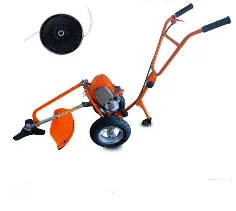
On large open ground the limit is rarely cutting power. It is the operator. Swinging a handheld machine for hours across an overgrown acre punishes the lower back, shoulders and wrists. A wheeled machine such as the Walking Brush Cutter carries the head on wheels, so you push instead of carrying the weight.
The trade-off is access. A walking machine wants ground that is fairly open and fairly even. It is awkward on steep slopes, in rocky ground, between close trees and in tight corners, so most owners keep a handheld for finishing edges.
Two Stroke, Four Stroke or Battery Power
A two stroke engine runs on petrol premixed with two stroke oil at the ratio printed on the machine. Measure the oil with a proper bottle, mix it in a clean jerrycan and shake before filling. Straight petrol ruins these engines quickly, and mixed fuel goes stale, so blend only what you will use in a few weeks.
A four stroke brush cutter keeps petrol and oil separate, with oil in its own reservoir the way a car engine does. That removes the mixing mistake entirely, and these engines generally run with less smoke and noise. What you take on instead is extra weight and one new habit: check the oil before work. The Brush Cutter 4Stroke belongs to this group.
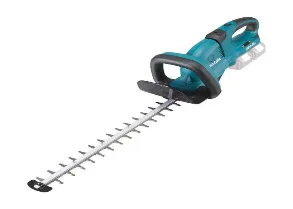
Battery machines start instantly, make far less noise and produce no exhaust, which suits early morning work in a residential compound. Runtime is set by the battery, so they fit small compounds and short sessions rather than a day of bush clearing. A battery hedge trimmer such as the Makita Cordless Hedge Trimmer is a different tool, made for hedges and shrub tops.
Harness, Balance and Handling the Machine
A harness is not an accessory. It moves the weight onto your shoulders and hips so your arms only steer, and it normally carries a quick release so you can drop the machine in a hurry. Adjust the straps so that with your arms relaxed the head sits level, just above the ground, then test the release.
Stand with your feet apart, swing from the hips in steady arcs and step forward into cleared ground rather than reaching out with your arms. Keep the head just above soil level, because dragging it into the dirt blunts a blade and flings grit at your legs.
Safety: Thrown Stones, Eye Protection and Bystanders
Both line and blade throw whatever they hit. Stones, bottle glass, nails and fencing wire leave the head fast enough to blind a person, and they go sideways and backwards as well as forwards. A full face visor with safety glasses under it, closed boots, long trousers, gloves and ear protection are working kit, not optional extras.
Clear the ground before you clear the grass. Walk the plot first, pick out stones, wire and bottles, and mark anything you must not hit, such as irrigation pipe and taps. Keep people, children and livestock at least fifteen metres away, and stop the engine rather than shouting when someone enters that circle.
- Full face visor plus safety glasses, every time
- Closed boots, long trousers, gloves and ear protection
- Keep people and livestock fifteen metres clear
Working With the Kenyan Seasons
Ground that looks bare through the dry months explodes once the long rains set in around March, and again after the short rains later in the year. A compound a line trimmer handled in February can be waist high by May, and that jump pushes many buyers to a blade machine after their first wet season.
Service before the rush, not during it. Clean or replace the air filter, check the spark plug, grease the gearbox, sharpen blades and stock up on line so the machine is ready the week growth takes off. If you are unsure which machine suits your ground, message ToolHub Kenya on WhatsApp.
Tools mentioned in this guide
Prices change with stock and supplier costs, so we quote on WhatsApp. Send us the tool and your town for today's price and availability.
Frequently asked questions
What trimmer line size should I use?
Use a size your cutting head is rated for, which is usually marked on the head itself. Thinner line cuts soft lawn grass with less load on the engine, while thicker line lasts longer in rough weeds but will not feed if it is too thick.
Can I fit a brush cutter blade to any grass trimmer?
No. A metal blade needs a shaft, gearbox, guard and handle designed for the extra force and the kickback. Fitting one to a light line-only trimmer is dangerous. Use a brush cutter rated for blades, with the matching guard.
How do I use a cordless grass trimmer for the first time?
Fit the guard, check the head turns freely, then set the handle and shaft so you stand upright. Put on eye protection and boots, clear stones from the area, then insert the battery and start slow. Remove the battery before changing line.
Is a 4 stroke brush cutter better than a two stroke?
It removes fuel mixing, since petrol and oil stay separate, and it usually runs with less smoke and noise. In exchange it is heavier and needs its oil checked and changed. A two stroke is lighter but needs correctly mixed fuel every time.
When is a walking brush cutter worth buying?
When you regularly clear large, fairly open and fairly even ground and handheld work is tiring the operator out. Pushing the head on wheels saves the back and shoulders. It struggles on slopes and in tight corners.