Buying Guides
Essential Hand Tools for a New Fundi's Toolbox
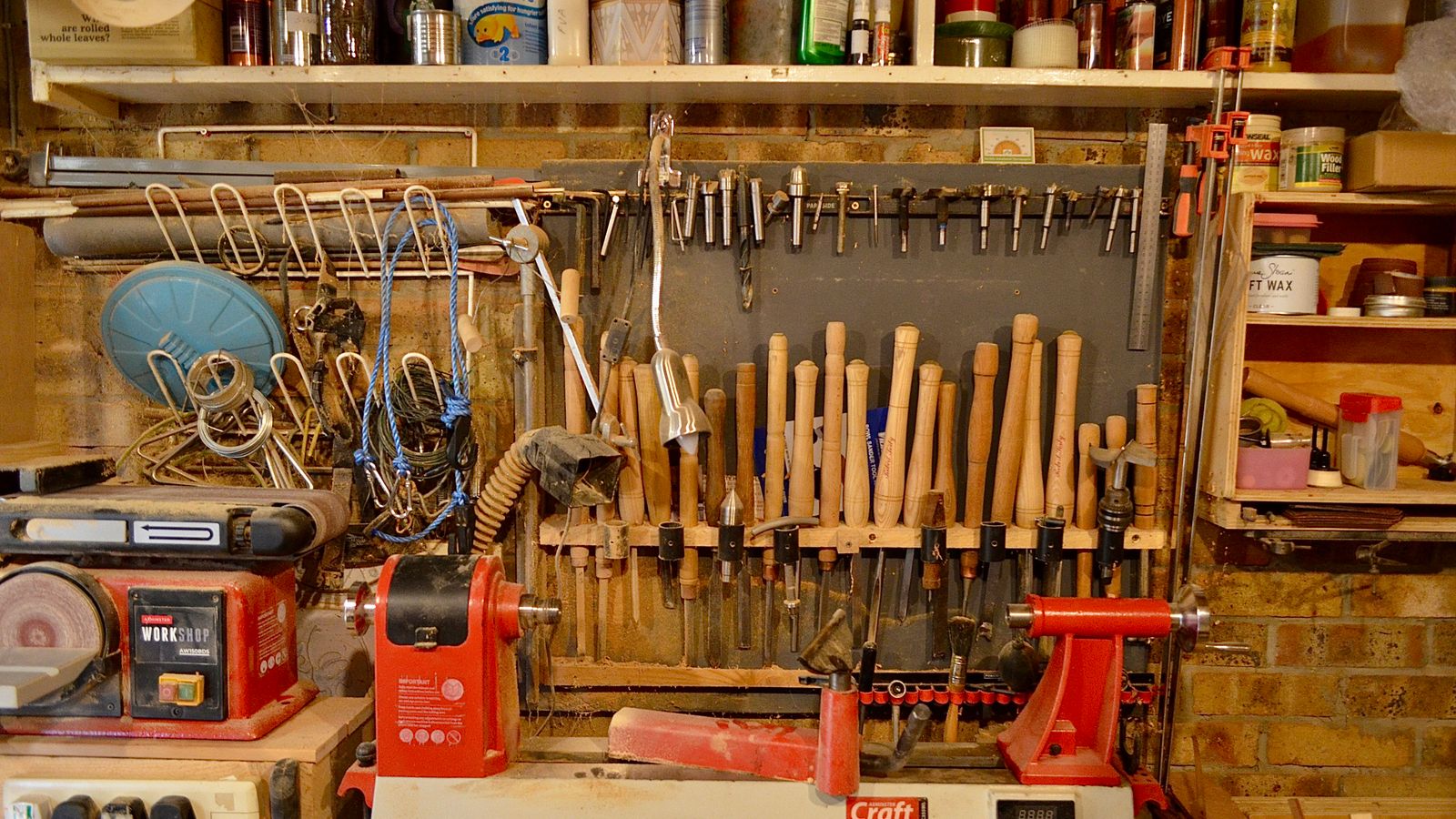
Every fundi starts with a small pile of tools and learns the hard way which ones earn their place. This guide sets out the essential hand tools to buy on your first trip, explains what each tool is genuinely for, and names the mistakes that quietly ruin them. It is written for young fundis in Kenya starting out in carpentry, masonry, plumbing, electrical work or general maintenance.
In this guide
- The Essential Hand Tools to Buy in One Visit
- The Claw Hammer and Why a Loose Head Is Dangerous
- Pliers: The Types That Earn Their Place
- Adjustable Wrench Versus a Proper Spanner Set
- Reading a Tape Measure and the Hook That Moves
- The Spirit Level and How to Check It Is True
- Screwdrivers: Match the Tip to the Screw Head
- Boxed Set or One Piece at a Time
The Essential Hand Tools to Buy in One Visit
A working toolbox is built around the jobs you do every week: driving and pulling nails, measuring, marking, checking level, gripping, turning and cutting. Cover those and you can take on most small jobs without borrowing. Anything beyond that can wait until a job actually demands it.
Spend where the forces are highest. Hammers, pliers, wrenches and chisels take real punishment, so a solid one repays itself in years of service, while measuring and marking tools need accuracy rather than muscle. Buy what you can carry comfortably, because a fundi who leaves half the kit at home is back to borrowing on site.
- Claw hammer, around 450 g to 750 g
- Steel tape measure, 5 m or longer
- Spirit level, 600 mm is a good first size
- Combination pliers and long nose pliers
- Adjustable wrench, plus a basic spanner set
- Screwdrivers, flat and cross head, several sizes
- Hacksaw with spare blades
- Cold chisel and a wood chisel
- Utility knife and a carpenter's pencil
- Try square for marking square lines
The Claw Hammer and Why a Loose Head Is Dangerous
A claw hammer is two tools in one head. The flat face drives nails and the curved claw pulls them out and levers boards apart. A medium weight such as the Sunking Claw Hammer 750G suits general carpentry and site work, since a heavier head tires the arm on fine nailing and a very light one bounces off big nails.
The real danger is a loose head, because a wooden handle dries and shrinks until the head shifts and one day flies off mid swing. Look for a gap at the eye and listen for rattle before every job, and never work with a cracked handle. Do not strike chisels or hardened steel with the face, and do not use the claw as a crowbar.
Pliers: The Types That Earn Their Place
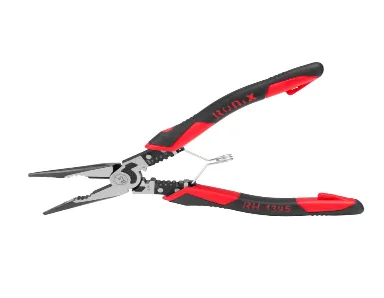
Combination pliers are the first pair to own. They grip flats and round stock, twist wire and cut light wire in the jaw notch, which covers most day to day work, and a multifunctional pattern such as the Pliers Multifunctional saves space in a small bag. Long nose pliers come next for tight boxes and wire loops, then side cutters for clean flush cuts.
The mistakes are always the same. Using pliers as a spanner chews the corners off nuts and leaves them impossible to turn later, and cutting nails or hardened wire notches the cutting edge for good. Keep the pivot lightly oiled and never rely on plain plastic grips for electrical protection. Leave mains wiring to a qualified electrician.
Adjustable Wrench Versus a Proper Spanner Set
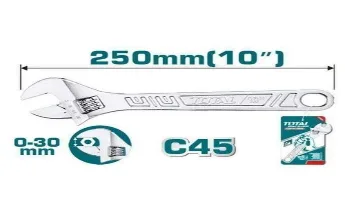
An adjustable wrench fits many sizes, which is why it lives in most toolboxes. A common working size like the Adjustable Wrench 10"/250MM(THT1010103) handles plumbing fittings, machinery bolts and the odd nut you meet once a year, and it keeps a job moving when the exact spanner is not in the bag.
It is also the tool that ruins nuts. The moving jaw has play, so a loose setting, or pulling so the load lands on the adjustable jaw, rocks it open and rounds the corners. Set the jaws snug on the flats every time and pull towards the fixed jaw. For work you repeat, a ring spanner grips all six faces and will not slip.
Reading a Tape Measure and the Hook That Moves
A steel tape such as the Total Steel Measuring Tape (TMT126051) is the tool you touch most often, so learn it properly. Read the small graduations rather than the round numbers, write the figure down instead of carrying it across a noisy site, and take both measurements from the same end of the material.
The hook at the end moves, and that is deliberate. It slides by exactly its own thickness, so the reading stays correct whether you hook it over an edge and pull or push it against a wall inside an opening. A hook bent or loose beyond that small travel throws your work out, so stop letting the tape snap back at speed.
- Read the millimetre marks, not just rounded figures
- Hook outside, push inside, and let the hook move
- Ease the tape back in instead of letting it fly
The Spirit Level and How to Check It Is True
A spirit level works on a bubble sitting in a slightly curved vial of liquid. The bubble floats to the highest point, so when it rests between the two marks the surface is level. The vial set at ninety degrees does the same job for plumb, which is what you use on door frames, posts and wall corners.
Levels lie after a fall, so test yours by reversing it. Set it down, note exactly where the bubble sits, then turn it end for end in the same spot. A true level reads the same both ways, and if the bubble shifts to the other side you are building an error into the work. Keep it in the bag, since knocks are what put levels out.
Screwdrivers: Match the Tip to the Screw Head
A screwdriver is only as good as its fit. A flat blade must match the width and the thickness of the slot, so one flat driver cannot serve every screw. Cross head screws are not all one pattern either, and forcing the wrong tip into the recess chews it out. When the tip slips under load, the screw head is usually what loses.
Keep the tips square and stop using a screwdriver as a chisel, a scraper or a small pry bar, which is how most of them die. Buy a few sizes in the patterns you meet on site, and store them where you can see the tip, because grabbing the nearest driver in a dark bag is how screw heads get ruined.
Boxed Set or One Piece at a Time
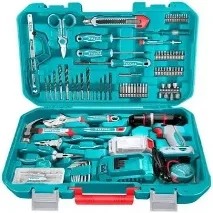
A boxed set such as the Total 165PCS Tool Set gets a new fundi working immediately, with a spread of sizes and a case that makes it obvious when something is missing at the end of the day. Counting tools back into moulded slots beats hunting through a bag, and odd sizes on hand mean fewer trips back to town mid job.
Buying piece by piece gives more control over the few tools you use daily, since you can pick a heavier hammer or better pliers than a general set would include. Many fundis do both: start with a set for coverage, then upgrade the handful of tools that take the most punishment. Message ToolHub Kenya on WhatsApp to check what is available, with delivery across Kenya.
Tools mentioned in this guide
Prices change with stock and supplier costs, so we quote on WhatsApp. Send us the tool and your town for today's price and availability.
Frequently asked questions
What are the 10 hand tools a new fundi should own?
A claw hammer, steel tape measure, spirit level, combination pliers, long nose pliers, adjustable wrench, screwdriver set, hacksaw, chisel and try square. That basic hand tools list covers measuring, marking, gripping, turning, cutting and fixing.
What is a claw hammer used for?
A claw hammer is used for driving nails with the flat face and pulling them with the curved claw, plus light levering of boards. It is not for striking chisels or hardened steel, and it should never be swung with a loose head.
Spanner vs wrench: is there a difference?
In everyday Kenyan use they mean much the same thing. A spanner normally means a fixed size tool, ring or open end, made for one nut size, while a wrench often means an adjustable or specialised tool such as a pipe wrench.
Which pliers types should I buy first?
Start with combination pliers for general gripping, twisting and light wire cutting. Add long nose pliers for tight spaces and wire loops, then side cutters for clean flush cuts. Avoid using any of them as a spanner, since that rounds off nuts.
What tape measure tips actually matter on site?
Read the millimetre marks rather than rounding, take both measurements from the same end, and write figures down. Remember the hook is meant to move slightly so inside and outside readings match, and do not let the blade snap back.
How do I know my spirit level is accurate?
Set it on a surface and note the bubble position, then turn it end for end in the same spot. A true level reads the same both ways. If the bubble moves to the other side, the level is out and should be replaced.