Buying Guides
Angle Grinder Buying Guide for Kenya: Sizes, Discs and Safety
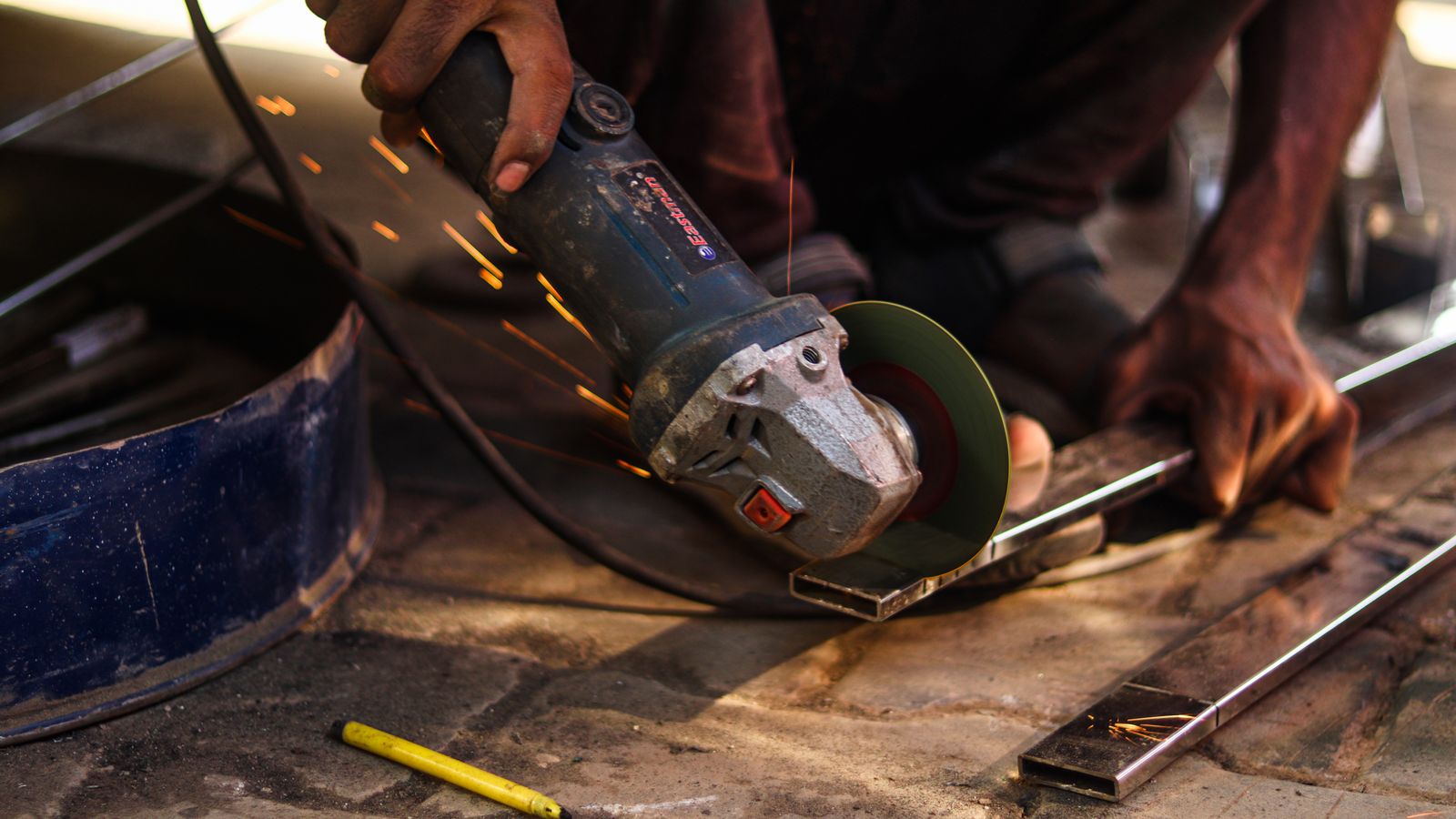
Picking the right tool matters more than the brand name on the box, and that is the focus of this angle grinder buying guide for Kenya. Fundis, jua kali metalworkers and construction crews all use angle grinders differently, so disc size, motor power and safety gear all affect which tool suits your daily jobs. This guide walks through sizes, power ratings, disc types and safe handling so you order the right angle grinder from ToolHub Kenya on WhatsApp.
In this guide
- Buying an Angle Grinder in Kenya: Key Factors to Check
- Disc Sizes: 115 mm (4.5 Inch) vs 230 mm (9 Inch)
- Power Ratings and What They Mean for Your Work
- Corded Power on 240V / 50Hz Single-Phase Supply
- Types of Discs and Their Uses
- Guards, PPE and Safe Handling
- Matching Disc Speed Rating to Your Grinder
- Choosing Between a Small and Large Angle Grinder for Jua Kali Work
Buying an Angle Grinder in Kenya: Key Factors to Check
An angle grinder is one of the most versatile power tools on a Kenyan job site, used for cutting steel bars, grinding welds smooth, sharpening blades and trimming tiles or stone with the right disc fitted. Because the tool spins a disc at high speed, the size of the grinder, its power rating and the disc fitted to it all need to match the job and the operator's experience.
Before you decide on a model, think about what you will cut or grind most often, whether you need a compact grinder for tight spaces or a larger one for heavy fabrication, and whether you already own a disc size you want to keep using. Getting these basics right before you buy saves you from mismatched discs and wasted trips back to the shop.
- Disc size: 115 mm (4.5 inch) or 230 mm (9 inch)
- Motor power rating in watts
- Type of work: cutting, grinding or finishing
- Available guards and personal protective equipment
- Power supply and cable length needed
Disc Sizes: 115 mm (4.5 Inch) vs 230 mm (9 Inch)
The two most common angle grinder sizes in Kenya are 115 mm (4.5 inch) and 230 mm (9 inch), and the difference is bigger than it looks. A 115 mm grinder is light, easy to control with one hand and ideal for detail work such as cutting thin metal sheet, trimming rebar, deburring welds or shaping small steel sections.
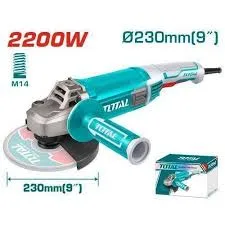
A 230 mm grinder carries a larger disc that cuts deeper and removes more material per pass, which suits fabrication yards, construction sites and jua kali workshops handling thick steel, concrete blocks or heavy-duty cutting. It is normally heavier and needs both hands, so it is not the best choice for overhead or awkward angles.
Power Ratings and What They Mean for Your Work
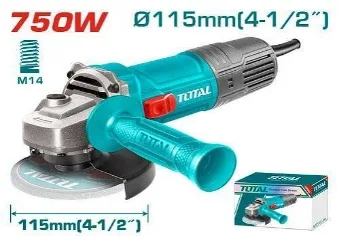
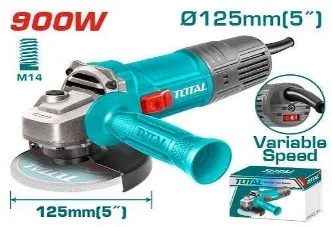
Angle grinders sold in Kenya come with different power ratings, and ToolHub Kenya stocks options such as 750W, 900W and 2200W angle grinders. A lower wattage grinder such as a 750W model is generally lighter and suited to shorter, lighter jobs, while a higher wattage grinder such as a 2200W model is built for sustained, heavy-duty cutting and grinding.
Higher power does not always mean better for every task. A fundi doing quick finishing work on window grills may prefer a lighter grinder that is easier to hold steady for long periods, while a workshop cutting thick steel plate all day benefits from the extra torque of a higher-powered machine. Match the power rating to how long and how hard you expect to run the tool each day.
Corded Power on 240V / 50Hz Single-Phase Supply
Most angle grinders sold for home and small workshop use in Kenya run on the standard 240V, 50Hz single-phase supply found in households and small business premises. Always check that the grinder's rated voltage and frequency match your supply before plugging it in, and only use a socket and cable that are in good condition.
If you need an extension cable, choose one rated for the grinder's power draw and keep it as short and fully unwound as possible, since a long, coiled or undersized cable can overheat and cause the motor to run hotter than it should. Never operate a grinder with a damaged plug, cracked cable insulation or a loose earth connection.
Types of Discs and Their Uses
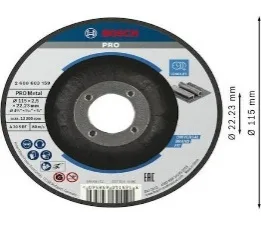
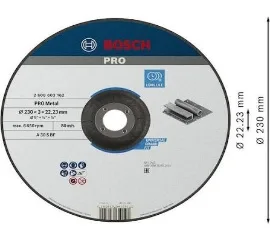
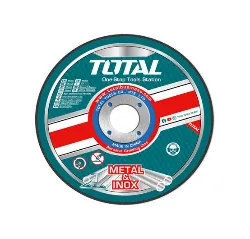
Choosing the right disc is as important as choosing the grinder itself. Metal cutting discs are thin and designed to slice through steel bar, angle iron and sheet metal, while grinding discs are thicker and meant for smoothing welds, removing rust or shaping metal edges rather than cutting through them.
Diamond discs are used for cutting or grinding masonry, concrete, tiles and stone, and come in dry-cut and wet-cut versions depending on whether water is used to control dust and heat. Flap discs and sanding discs suit finishing and surface preparation better than heavy cutting. Always fit the disc type that matches the material you are working on.
- Metal cutting disc: slicing steel bar, angle iron, sheet metal
- Grinding disc: smoothing welds, shaping edges, removing rust
- Diamond disc: cutting or grinding tile, concrete, stone
- Flap or sanding disc: surface finishing, not heavy cutting
Guards, PPE and Safe Handling
An angle grinder must always be used with its disc guard fitted, positioned so it shields your hands and body from sparks and disc fragments. Never remove the guard to fit a larger disc than the grinder was designed for, and never fit a disc rated for a lower speed than the grinder can reach.
Basic personal protective equipment for grinding work includes safety glasses or a full face shield, hearing protection, sturdy gloves and clothing that will not catch on the spinning disc. Work in a well-ventilated area away from flammable materials, since grinding and cutting throw off hot sparks that can travel several metres.
- Fit and check the disc guard before every use
- Wear eye and face protection, hearing protection and gloves
- Keep loose clothing, hair and jewellery away from the disc
- Clear flammable materials from the work area
- Unplug the grinder before changing a disc
Matching Disc Speed Rating to Your Grinder
Every angle grinder disc is stamped with a maximum safe operating speed in RPM, and this figure must always be equal to or higher than the no-load speed of the grinder it is fitted to. Fitting a disc rated for a lower speed than the grinder produces is dangerous, since the disc can shatter during use.
Before fitting any new disc, check the printed speed rating against your grinder's nameplate or specification sheet, and inspect the disc for cracks or damage before mounting it. If you are unsure which disc speed rating suits your grinder, ask ToolHub Kenya on WhatsApp for guidance on compatible options.
Choosing Between a Small and Large Angle Grinder for Jua Kali Work
Many Kenyan workshops keep more than one angle grinder on hand, using a compact 115 mm model for detail work and a larger 230 mm or higher-powered machine for heavy fabrication. If you are buying your first grinder and mostly work with thinner metal, gates, grills and general repairs, a compact, lower-wattage grinder is usually the more practical starting point.
If your work involves cutting thick steel sections, structural fabrication or concrete cutting daily, a higher-powered grinder with a larger disc capacity will save time and handle the load better. Whichever size you choose, order through ToolHub Kenya on WhatsApp at +254 721 600 400 and ask for today's price, since ToolHub Kenya offers delivery across Kenya.
Tools mentioned in this guide
Prices change with stock and supplier costs, so we quote on WhatsApp. Send us the tool and your town for today's price and availability.
Frequently asked questions
What size angle grinder should I buy for general metalwork in Kenya?
For general metalwork such as cutting rebar, angle iron and thin sheet metal, a compact 115 mm (4.5 inch) grinder is usually the most practical choice, since it is lighter, easier to control and suited to most everyday fundi tasks. Move up to a 230 mm grinder only if you regularly cut thicker steel or concrete.
Can I fit a 230 mm disc on a 115 mm angle grinder?
No. Never fit a disc larger than the size the grinder was designed for, and never remove the guard to make it fit. A grinder built for 115 mm discs spins faster than a 230 mm grinder, so a larger disc can shatter at that speed and cause serious injury.
What is the difference between a cutting disc and a grinding disc?
A cutting disc is thin and designed to slice through material such as steel bar or sheet metal in a single pass. A grinding disc is thicker and meant for smoothing welds, shaping edges or removing rust from a surface rather than cutting all the way through it.
Do I need a stabilizer to run a corded angle grinder in Kenya?
Most angle grinders run directly on the standard 240V, 50Hz single-phase household or workshop supply without extra equipment, provided the socket, plug and cable are in good condition. If your site has frequent voltage fluctuations, ask an electrician whether your supply needs protection before running power tools.
What protective gear do I need before using an angle grinder?
At minimum, wear safety glasses or a face shield, hearing protection and sturdy gloves, and avoid loose clothing or jewellery that could catch the disc. Work in a ventilated area clear of flammable material, since grinding and cutting produce hot sparks that can travel a good distance.